
The same part can be made in several ways. Choosing the right process means finding the best balance between unit price, lead time, upfront cost and quality. The first question we ask is simple: how many parts do you need?
1 to 10 parts: 3D printing and CNC machining
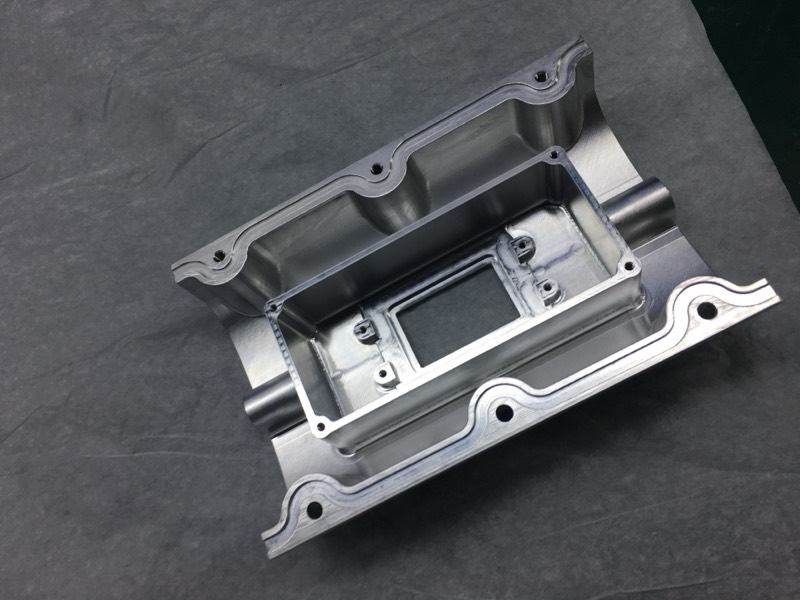
For prototypes and one-offs, there is no tooling to pay for. 3D printing (SLA, SLS, FDM, SLM, MJF) produces complex shapes quickly, in plastics or metals. CNC machining is the choice when you need the real production material, tight tolerances or a machined surface finish.
20 to 200 parts: vacuum casting
Vacuum casting uses a silicone mould made from a 3D-printed master. It produces small series with a finish close to injection moulding, in PU resins that mimic ABS, PC, PMMA, PP or rubber, without the cost of a steel mould. It is the ideal step for pre-series, market tests and first sales.
From a few hundred parts: injection moulding
Injection moulding requires a mould, which represents an upfront investment. But once the mould exists, each part costs very little and is produced in seconds, with consistent quality. Multi-cavity moulds reduce the unit cost even further for very large volumes.
Metal parts in volume: die casting and machining
For metal housings and structural parts in medium and large series, die casting in aluminium or zinc alloys is often the most economical solution, combined with CNC machining for precise features.
Other criteria that matter
- Geometry: undercuts, thin walls and internal channels can favour one process over another.
- Material: some materials are only available with certain processes.
- Lead time: 3D printing and machining are the fastest; tooling takes longer.
- Future volumes: a part designed for injection moulding from the start saves time later.
Not sure? Send us your files with your quantities: our quote will include the recommended process.