
Between the idea and the product sold in series, there is a well-marked path. Founders who know it move fast; those who discover it along the way lose months and money, often between two suppliers. Here are the seven steps, with what to expect from them and the mistakes to avoid.
1. The idea and the specifications
Everything starts with a need, often a sketch. The first step is to turn it into a functional specification: who uses the product, in what conditions, with what constraints of standards, cost and quantities. The pitfall: skipping this step and designing straight away. A one-page specification saves redoing the design three times.
2. Product design
Design sets the shape, ergonomics, materials and identity of the product. It is worked out in sketches, then in realistic 3D renderings that already serve to convince partners or investors. The pitfall: a magnificent design that is impossible to mould or assemble. A designer who works next to an engineer avoids it naturally.
3. Mechanical engineering
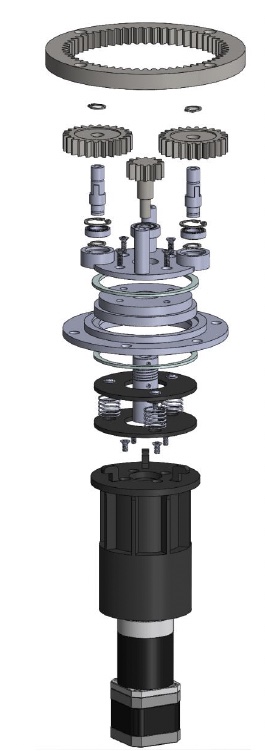
The design office turns the design into parts: 3D modelling, choice of materials, integration of electronics, drawings and bill of materials. This is the step where the production cost of the product is decided. The pitfall: designing without knowing which process will make the part. An injection-moulded part is designed with draft angles, ribs and constant wall thicknesses; discovering these rules at the mould maker's costs a complete redesign.
4. Rapid prototyping
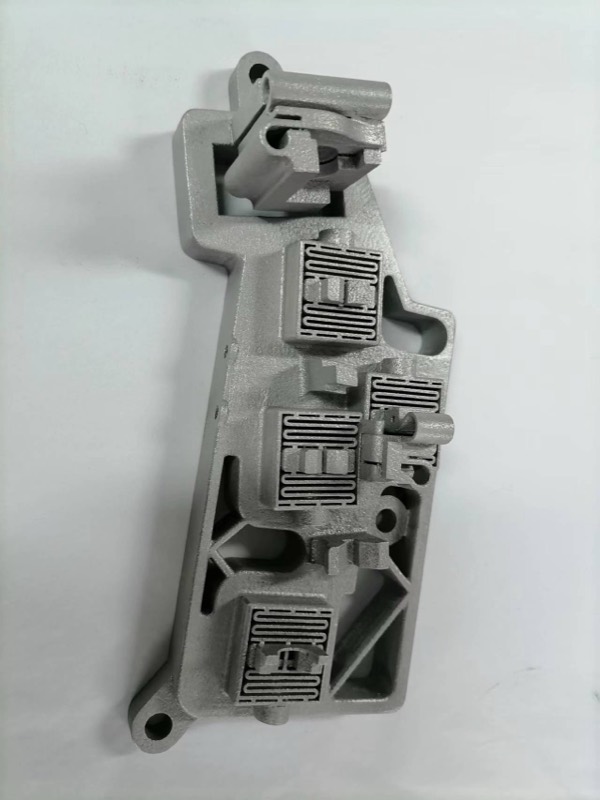
3D printing and machining let you hold the product in your hands within days: first to check dimensions and assemblies, then with functional prototypes to test, let people try and correct. The pitfall: wanting a perfect prototype first time. Several quick iterations are worth more than one long one.
5. Pre-series
Before investing in a mould, a pre-series of 20 to 200 parts by vacuum casting lets you present the product at a trade show, launch pre-orders, equip pilot customers and pass certifications. The pitfall: launching the mould on the basis of a single prototype. Feedback from the first users almost always changes the design.
6. The mould and series production
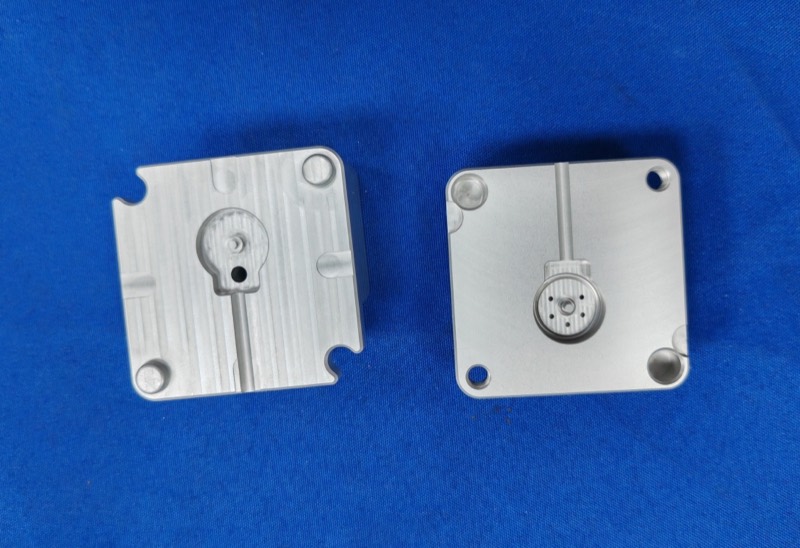
Once the design is frozen, the injection mould is designed and made, the first samples are approved, then production starts: from a few hundred to a million parts. The pitfall: comparing mould quotes on price alone. A cheap, badly designed mould is paid for in scrap, rework and delays for the whole life of the product.
7. Assembly, packaging and launch
What remains is to assemble, pack, write the user guide, mark and ship. A product “ready to sell” that arrives directly at your place or your customers' is time saved for what you know how to do: sell it.
Why a single team changes everything
Each of these steps can be entrusted to a different specialist. But at every handover, the file is explained again, the files converted, and nobody is responsible for the whole. When the same team designs, prototypes and has it manufactured, parts are designed for their process from the start, the steps follow on without waiting, and one single contact answers for everything. That is the principle of our end-to-end service.
Do you have an idea? Let's talk about it: a first discussion is free, and an NDA can be signed beforehand.