

Our services
Plastic thermoforming
Thermoforming shapes a heated plastic sheet over a mould. It is the most economical way to make large, thin-walled parts such as covers, housings, trays and panels, with tooling far cheaper than an injection mould.
- Vacuum & pressure forming
- Large thin-walled parts
- ABS, PS, PETG, PC, PMMA, PP, HDPE…
- CNC trimming, painting, assembly
- Technologies
- Vacuum forming, pressure forming
- Quantities
- From prototypes to series
- Quote
- Free within 24h, prepared by an engineer
How thermoforming works
-
01
Mould
A mould in resin or wood for prototypes, in aluminium for series.
-
02
Heating & forming
The sheet is heated, then drawn onto the mould by vacuum or compressed air.
-
03
Trimming
Edges and openings are trimmed by CNC routing.
-
04
Finishing
Painting, screen printing, inserts and assembly as needed.
Why choose thermoforming?
Low tooling cost
Moulds cost far less than injection tooling and are ready sooner.
Large parts
Big covers and panels made in one piece.
Quick start
First parts come fast: ideal for small series and market tests.
Light and stiff
Thin walls with good rigidity.
Many finishes
Textured sheets, colours, painting and screen printing.
Materials
- Standard
- ABS, HIPS, PS, PETG, PP, HDPE
- Engineering
- PC, PMMA (transparent), ABS-PMMA, flame-retardant grades (UL94 V0)…
Examples of our work
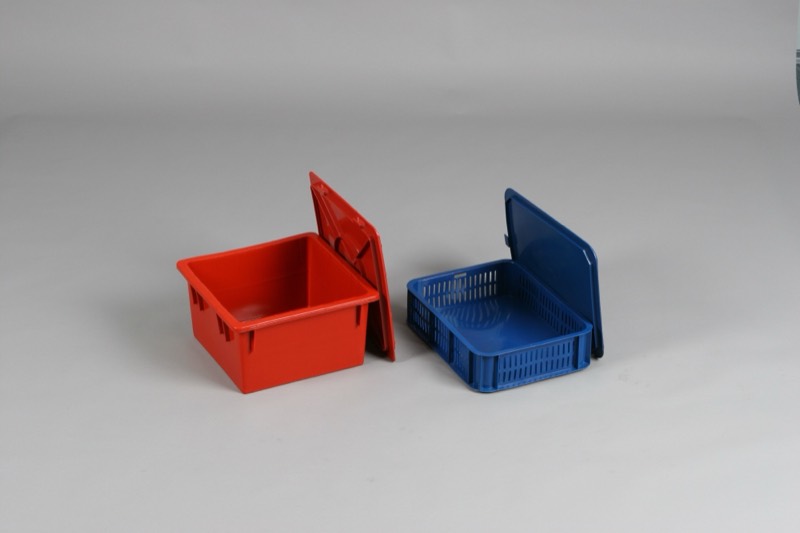
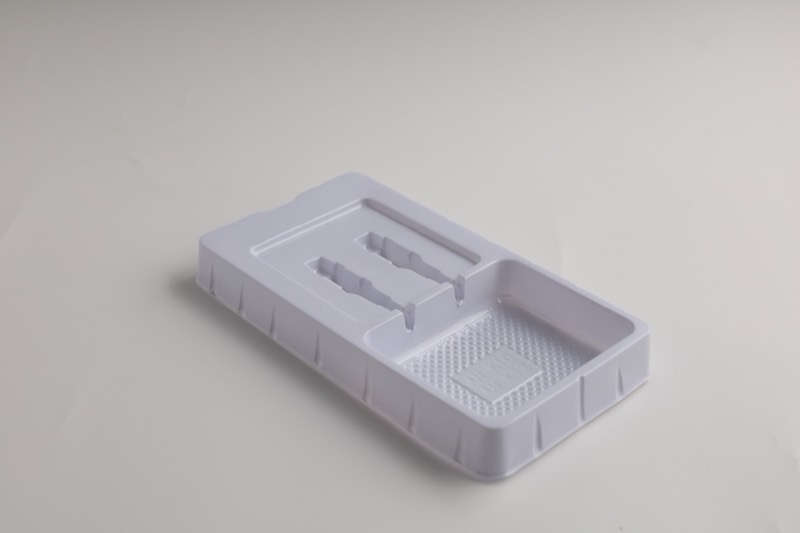
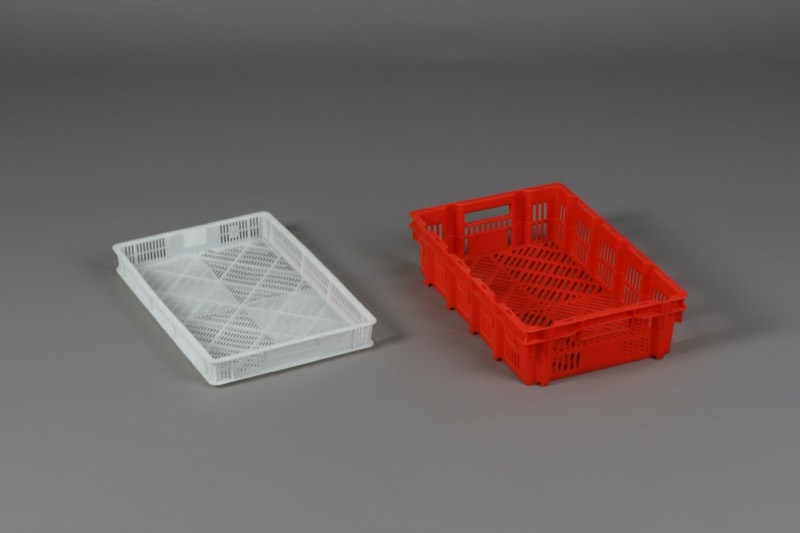
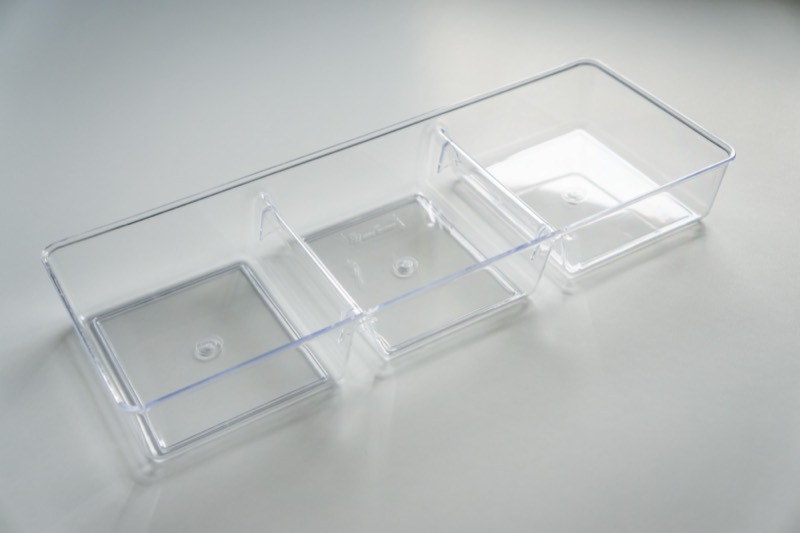
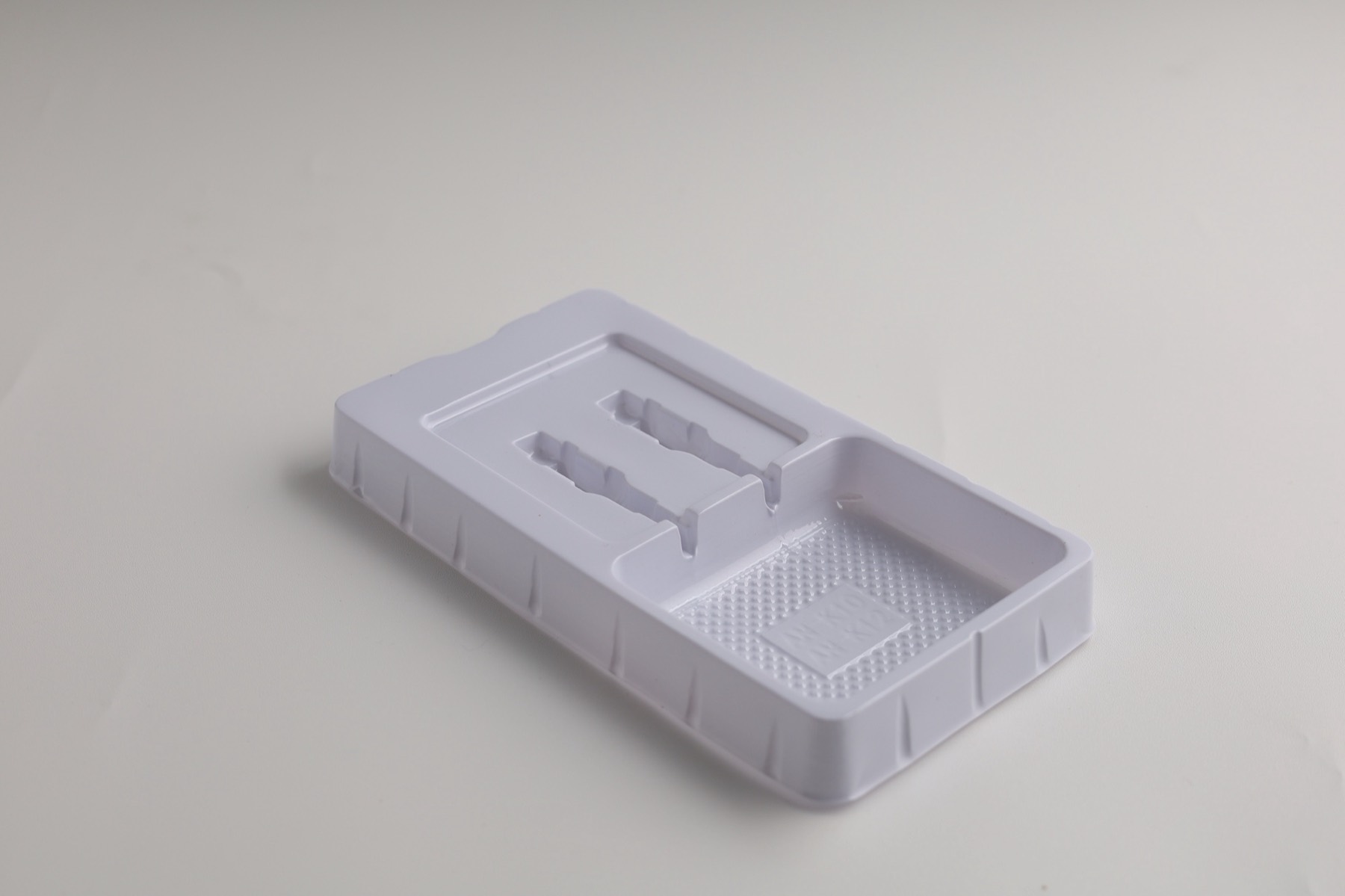
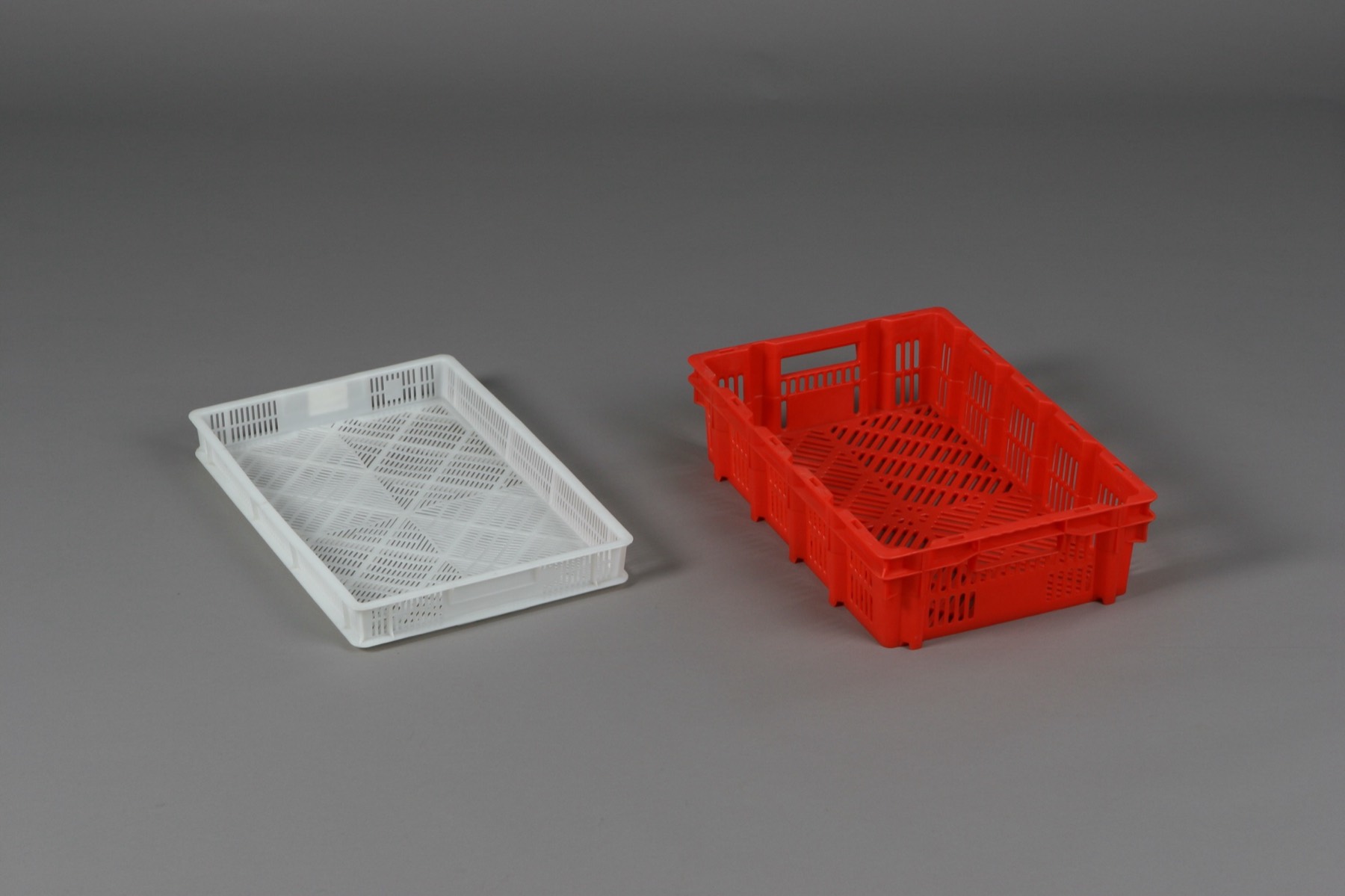
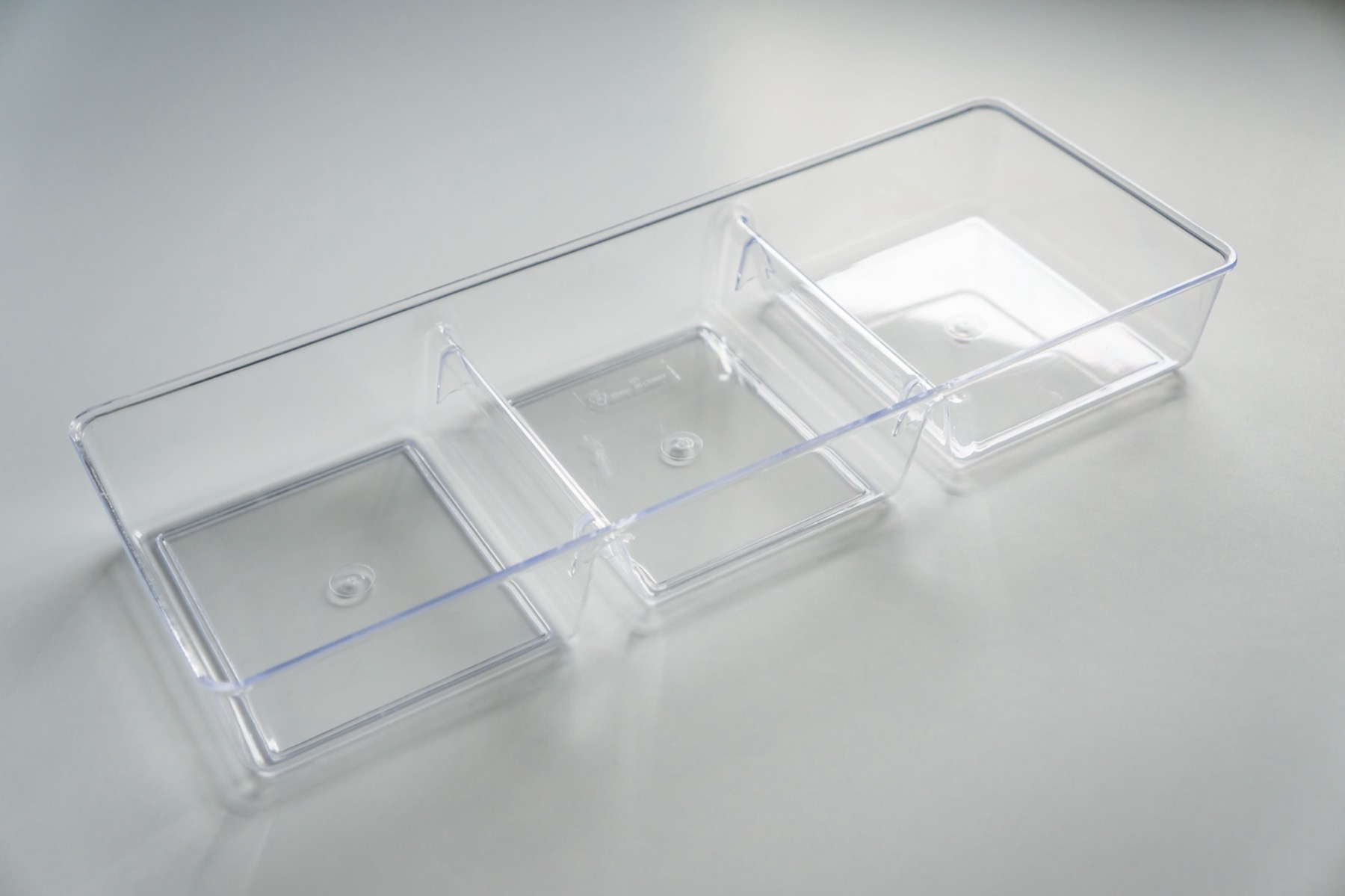
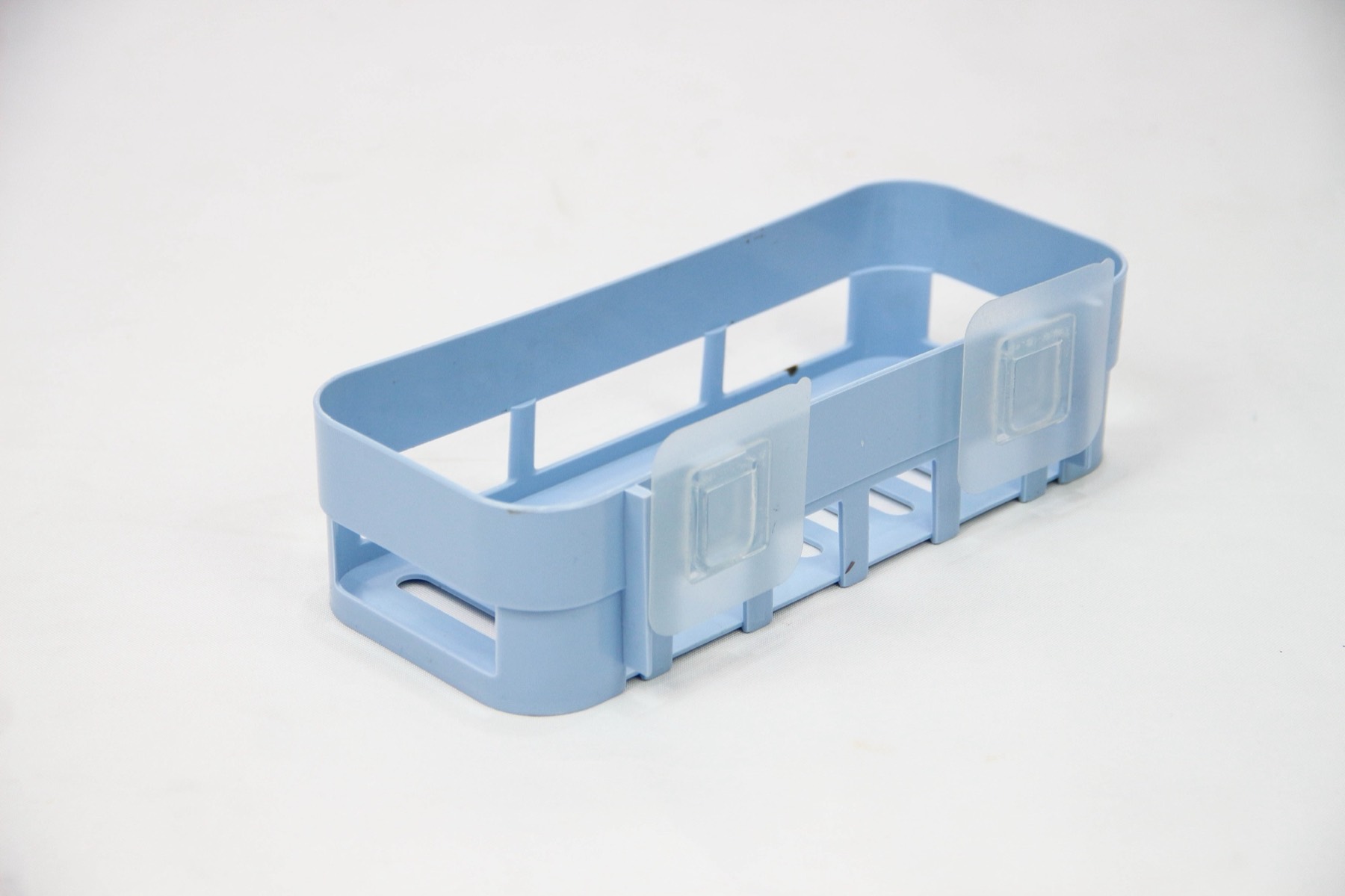
Real parts, photographed in our workshop or during quality control at our partners'.
FAQ
Frequently asked questions
Which parts are made by thermoforming?
Covers, housings, machine guards, trays, panels and protective shells: large parts with fairly even wall thickness.
When should I choose thermoforming rather than injection moulding?
For large parts, small and medium series, or when the tooling budget is limited. Injection moulding becomes more economical for very high volumes or for small, detailed parts with ribs and bosses.
What is the difference between vacuum forming and pressure forming?
Vacuum forming draws the sheet onto the mould by suction. Pressure forming adds compressed air for sharper details and textures, closer to an injection-moulded look.
Can the parts be trimmed, painted or assembled?
Yes. Edges and openings are CNC-trimmed, and parts can be painted, screen printed, fitted with inserts or assembled.
How quickly will I receive my quote?
Within 24 hours on working days. Send your files with the quantity and material: you receive a free quote prepared by an engineer.
From the sketch of your idea to the product on the market
Design, engineering, prototypes, pre-series, injection mould, series production and launch: one team follows your project from start to finish. One single contact: you save time and money.
- One single contact, from sketch to series
- Designed for manufacturing from day one
- French Innovation Tax Credit: up to 20% back
- Confidentiality: NDA offered from the first meeting
Our other services
A project, an idea, a part to make?
Send us a sketch, a drawing or your 3D files: you receive a free quote within 24 hours, prepared by our engineers. No commitment.
By phone: +33 5 25 32 19 66 · or email us at contact@innoproduct.fr
Prefer to talk? We'll call you back